About Mark Woolhouse

Former banker turned entrepreneur. I successfully restructured, purchased, managed and sold a private engineering group, Steel Line Ltd, through an LBO and was also an equity partner in Corporate Training Group which my partners and I successfully sold to the AIM listed ILX group in 2006. I established Capital City Training Limited in early 2010 with my business partner Greg. We acquired MS Consultants a few years ago (so I'm still doing a bit of M&A). I have had non-exec roles for a small and growing VA/recruitment business and a fast-growing beverage logistics company. I am also an active investor. Capital City Training is a full service technical and management development training company focused on the banking, wealth management and broader financial services and accounting industries. Having said all that, in the last couple of years we've been branching out into training for non-financial companies - manufacturing, retail, tech, defense.. so old and new economy. We also provide consultancy around modelling and are currently working for a leading PPP/PFI advisory firm. We have delivered training in every continent of the world in 2024... except Antarctica. Perhaps in 2025?! Watch this space. Capital’s dedicated faculty combine extensive line experience as corporate financiers, bankers, traders, portfolio managers and equity analysts together with over 60 years of experience in learning and development as both procurers and providers of tailored in-house training, eLearning and blended learning. Our faculty also includes experienced Management development training specialists allowing us to provide HR consultancy services, management development training and also innovative integrated management development & technical training events. Capital City’s faculty embody over 100 years of line experience across the fields of accounting, corporate finance, derivatives, credit, lending, investment, equity research transaction banking and origination.


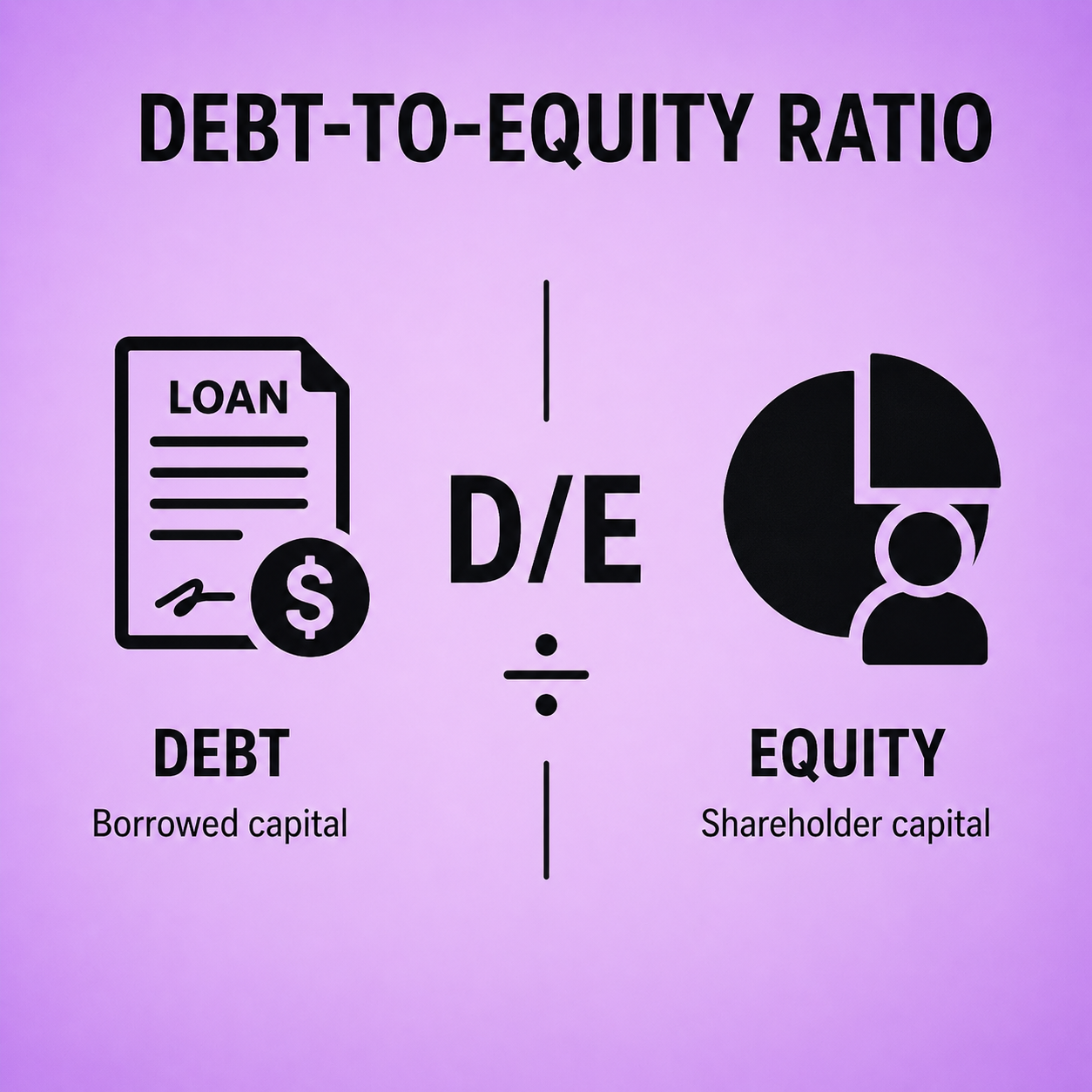
Debt-to-Equity Ratio: Formula, Analysis and Examples

Debt-to-Equity Ratio: Formula, Analysis and Examples In financial analysis, the debt-to-equity ratio (D/E ratio or “gearing” as it is known in the UK) is an important financial risk metric that provides valuable insights into a company's financial health. This ratio is one of a group used by analysts, and creditors to assess the

By |2024-05-07T10:46:46+00:00May 7th, 2024|Uncategorized|Comments Off on Debt-to-Equity Ratio: Formula, Analysis and Examples

Breakeven Points: Definition, Formula and Analysis

Breakeven Point: Definition, Formula and Analysis In the world of business, profitability is the ultimate goal. Companies strive to generate revenue that exceeds their expenses, allowing them to turn a profit and sustain their operations. Breakeven is exactly what it says it is, but breakeven on what basis? Are we at monthly breakeven

By |2024-05-07T10:46:45+00:00May 7th, 2024|Uncategorized|Comments Off on Breakeven Points: Definition, Formula and Analysis

Working Capital: Definitions, Formulas, Examples

Working Capital: Definitions, Formulas, Examples Working capital is a vital concept in corporate finance and business management. It represents the liquid assets companies need to fund day-to-day operations and pay short-term obligations. Having adequate working capital ensures a company has sufficient cash flow to meet its current financial obligations and unforeseen expenses that

By |2024-04-09T10:49:57+00:00April 9th, 2024|Uncategorized|Comments Off on Working Capital: Definitions, Formulas, Examples

What is EV/EBITDA? Concepts, Formula and Examples

What is EV/EBITDA? Concepts, Formula and Examples EV/EBITDA is an important financial ratio used in corporate finance and valuation analysis. It stands for Enterprise Value divided by Earnings Before Interest, Taxes, Depreciation and Amortization. EV/EBITDA is a popular valuation multiple used to compare companies within the same industry and measure their relative valuation.

By |2024-04-09T10:49:57+00:00April 9th, 2024|Uncategorized|Comments Off on What is EV/EBITDA? Concepts, Formula and Examples

Top Statistical Tools Used in Finance and Investment Banking

Top Statistical Tools Used in Finance and Investment Banking Statistics plays a crucial role in the financial industry. From investment banks to hedge funds, statistical tools are leveraged to analyse markets, assess risk, build trading strategies and make predictions. This article will provide an overview of the key statistical concepts and techniques used

By |2024-04-05T13:52:27+00:00March 14th, 2024|Uncategorized|Comments Off on Top Statistical Tools Used in Finance and Investment Banking

What is Market Cap

What is Market Cap? Market capitalization, commonly referred to as market cap, is an important financial metric used to determine the size and value of a publicly traded company. Market Cap refers to the total market value of a company's outstanding equity shares.  Essentially, it is the total equity market value of a

By |2024-04-05T13:52:42+00:00March 14th, 2024|Uncategorized|Comments Off on What is Market Cap

What is Beta

What is beta, levered beta and unlevered beta? Beta is a measure of the systematic risk associated with investing in a particular asset or security. It indicates how sensitive an investment's returns are to the overall fluctuations in the market. Beta is an important concept in corporate finance and investment analysis as it

By |2024-04-05T13:58:32+00:00March 14th, 2024|Uncategorized|Comments Off on What is Beta

What is CAPEX and OPEX?

What is CAPEX and OPEX? Capital expenditures (CAPEX) and operating expenses (OPEX) are two important items from a company’s cash flow and income statement (respectively). They are both key financial metrics that companies use to budget, forecast, and analyse their spending. Understanding the difference between CAPEX and OPEX is especially important for making

By |2024-04-05T13:58:43+00:00February 19th, 2024|Uncategorized|Comments Off on What is CAPEX and OPEX?

Net Present Value (NPV) Explained: Definitions, Formula and Examples

Net Present Value (NPV) Explained: Definitions, Formula and Examples Net present value (NPV) is a core concept in corporate finance and investment analysis. It is a project / investments appraisal technique that is considered to be fundamentally the most robust, and consistent with the concept of enhancing shareholder value in investment appraisal.  By

By |2024-04-05T14:00:16+00:00January 30th, 2024|Project Finance, Uncategorized|Comments Off on Net Present Value (NPV) Explained: Definitions, Formula and Examples

Buy-Side vs Sell-Side: Key Differences, Career Paths, and Transition Strategies

Buy-Side vs Sell-Side: Key Differences, Career Paths, and Transition Strategies The distinction between buy-side and sell-side isn't just industry jargon—it fundamentally shapes your day-to-day work, compensation structure, and career trajectory in finance. Do you know what you’re getting in to if you’re looking to move into a job as a buy-side or sell-side

By |2026-04-30T10:45:05+00:00January 30th, 2024|Financial Markets|Comments Off on Buy-Side vs Sell-Side: Key Differences, Career Paths, and Transition Strategies
Go to Top